
Many real estate agents and brokers choose website builders for convenience.
Over time, however, ownership, flexibility, and long-term SEO control often become more important.
With WordPress, you can control your hosting, integrations, and long term growth strategy.
Your MLS listings, neighborhood guides, and lead generation systems become assets you manage directly rather than features inside a closed platform.
This guide is for real estate agents and brokers who want more control over their website infrastructure and marketing performance.
In this article, we’ll explain how WordPress handles IDX integration, search functionality, scalability, automation, and long-term ownership. We’ll also look at how a modern setup can help you launch faster while keeping full control of your technology stack.
If you want a responsive real estate website that supports advanced search filters and sustainable growth, we’ll walk through how WordPress makes that possible.
To understand why we recommend this approach, it helps to start with infrastructure.
- Why WordPress Is the Smart Infrastructure Choice
- MLS Listings: The Foundation of Every Real Estate Website
- The Modern Way to Build a WordPress Real Estate Website
- Performance and Scale: Built for 5,000+ Listings
- From Traffic to Transactions: Automation and CRM
- Final Thoughts: Own Your Real Estate Website, Own Your Growth
- FAQs
TL;DR: Quick Summary
If you want the short version, here it is.
- Closed real estate website builders limit ownership and long term SEO control.
- WordPress gives you full control over hosting, IDX integration, and infrastructure.
- Organic IDX integration creates indexable property detail pages that support stronger search visibility.
- AI-assisted tools can generate a production-ready site in minutes.
- Performance, automation, and CRM integration turn listings into scalable marketing systems.
- Hyper-local optimization helps you compete with national portals in your specific market.
In our experience, WordPress works best as long term digital infrastructure for real estate agents and brokers who want to own their growth.
Why WordPress Is the Smart Infrastructure Choice
Most real estate website builders promise convenience. It often comes at the cost of ownership and flexibility.
Spending $300 to $1,000 monthly can exceed $60,000 in five years, without giving you full control over your hosting environment, data structure, or search visibility strategy.
Ownership Instead of Platform Dependency
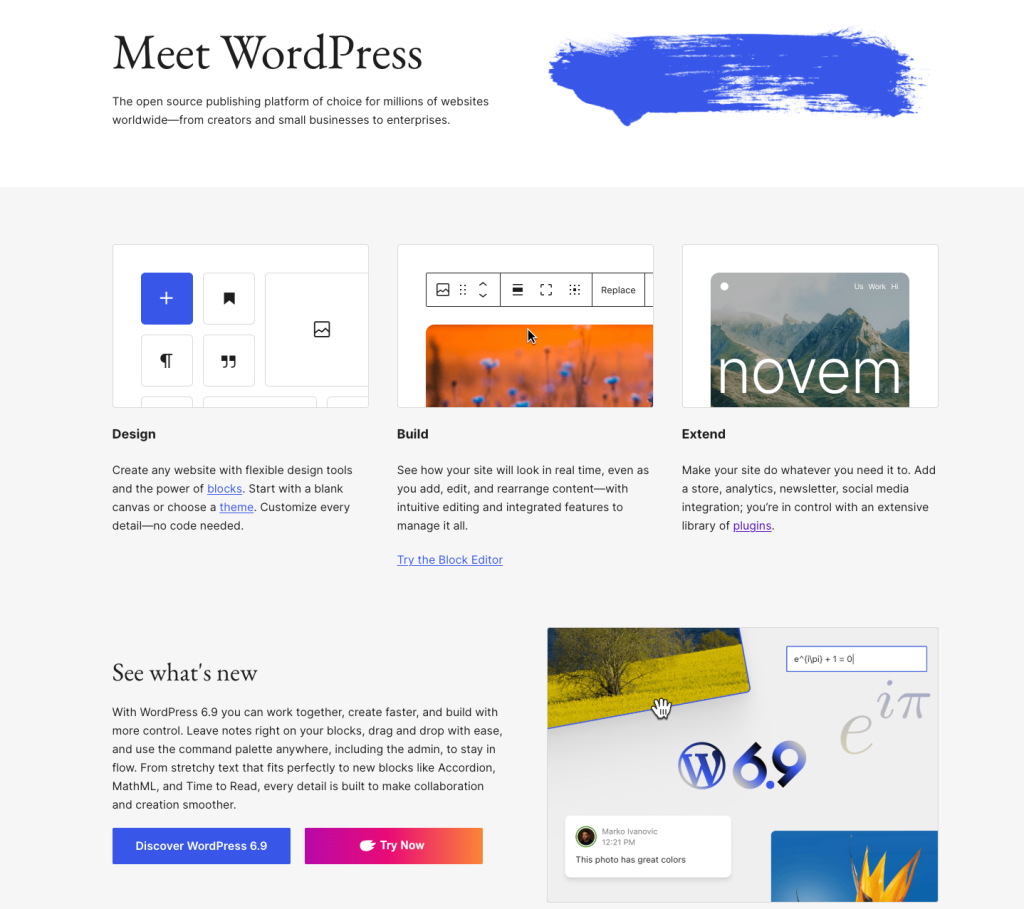
WordPress changes that dynamic.
As an open source platform, it gives you control over the foundation of your site and its underlying architecture.
Instead of adapting your strategy to a platform, you shape the platform around your business.
With WordPress, you can:
- Choose optimized WordPress hosting for real estate
- Use dedicated WordPress plugins for real estate and IDX integration
- Create custom post types for property listings and advanced search filters
- Implement structured schema markup for real estate SEO
Built to Scale With Your Business
That flexibility strengthens your long term growth.
You can build neighborhood guides, create targeted real estate landing pages, refine user experience, and improve lead generation without waiting for a platform update.
For independent agents and small brokerages, this scalability matters.
You can start lean and expand into membership areas, booking systems, real estate CRM integration, or advanced property listing management as your needs evolve.
The question is not simply whether WordPress can power a real estate website. It is whether you prefer infrastructure that grows with your business and gives you more long term flexibility.
Ownership matters most in one specific area: how your listings are structured and indexed.
MLS Listings: The Foundation of Every Real Estate Website
Design and branding matter. But on any serious real estate website, one element drives everything. Your MLS listings.
Whether someone searches “homes for sale near me” or “condos for sale,” listings define the experience. Weak listings mean weak lead generation.
What Is the MLS and Why It Matters
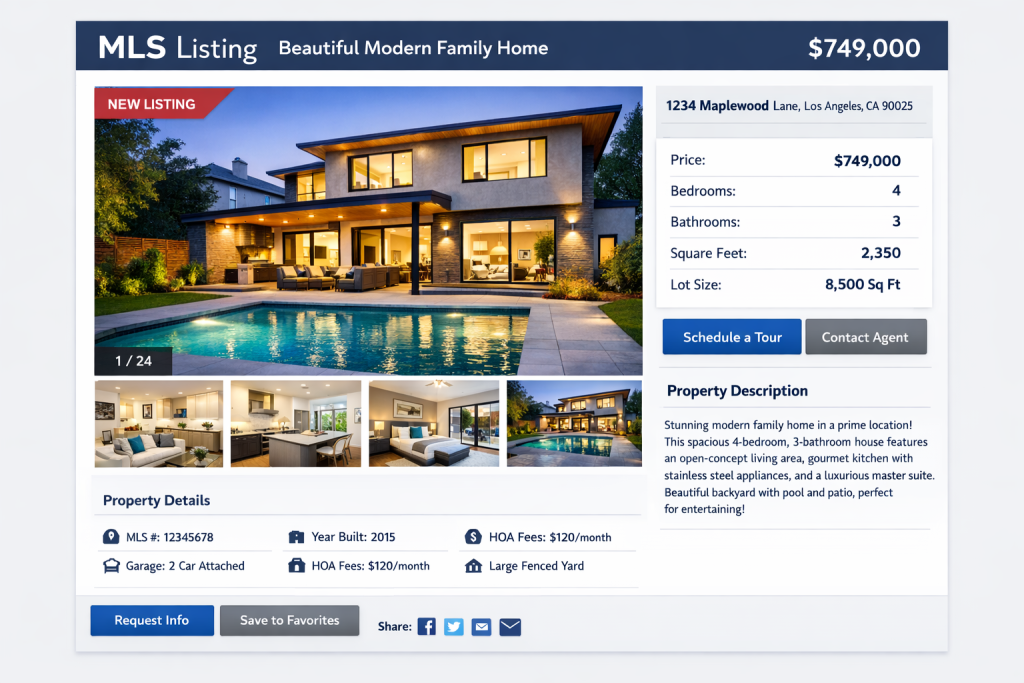
The Multiple Listing Service, or MLS, is the shared database real estate professionals use to publish and access available properties in a specific market.
When your website connects to the MLS, it can display:
- Residential real estate listings
- Commercial real estate inventory
- Luxury real estate properties
- Foreclosed properties
- Move in ready homes
This connection allows visitors to search active property listings directly from your site instead of leaving for a portal.
That connection is called IDX integration.
How IDX Powers Property Search on Your Website
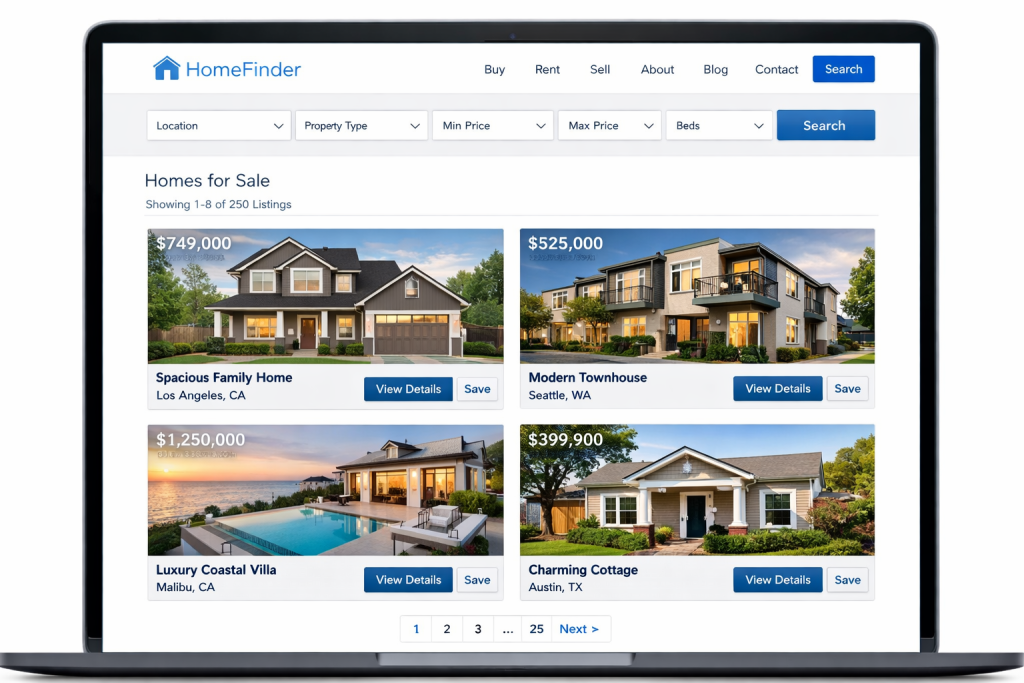
IDX, or Internet Data Exchange, allows your WordPress real estate website to pull MLS listings and display them through searchable pages.
A well implemented IDX WordPress integration supports:
- Advanced search filters
- Map integration for geo based browsing
- Individual property detail pages
- Real estate property gallery images
- Virtual tour or virtual home tours
- Floor plans and listing features
This is where user experience becomes critical. Buyers expect fast, mobile friendly property search tools.
If your responsive real estate website cannot handle filtering, sorting, and map browsing smoothly, visitors leave.
But not all IDX integrations are equal.
Two Ways to Display MLS Listings
There are two primary methods to connect MLS listings to your site.
1. The Easy Embed Method (iFrame)
This method embeds listings from an external server into your website. It looks seamless to users, but the content is technically hosted elsewhere.
That can limit:
- Full indexability of property detail pages
- Schema markup for real estate
- Inclusion in your real estate sitemap
- Long term search visibility value
Many entry level solutions default to this approach because it is easier to configure.
Easier setup does not always mean stronger growth.
2. The Fully Integrated Method (Organic / API Based)
This method pulls MLS data directly into your WordPress database using API standards.
Listings are stored locally as custom post types, meaning they become real pages inside your website.
That allows you to:
- Control URLs and metadata
- Optimize property detail pages for real estate SEO
- Include listings in your XML sitemap
- Add neighborhood guides and local real estate market insights to listings
- Strengthen internal linking across your site
This structure aligns far better with long term SEO and scalable infrastructure.
Why Listing Structure Impacts Lead Generation
When listings are fully integrated and indexable, each property becomes a potential entry point into your site.
A buyer searching “open houses near me” or “homes for sale in [specific neighborhood]” can land directly on your property detail pages.
From there:
- Your lead forms guide them forward
- Your email capture offers collect interest
- Your clear call to action elements move them through the buyer or seller journey
Listings are not just inventory.
When structured and indexed properly, they can:
- Attract search traffic
- Support topical authority
- Contribute to consistent lead generation
This is why understanding how to add IDX to WordPress properly is not just a technical detail. It is foundational to building a high performing real estate website.
Now that you understand what powers a real estate website at its core, the next question becomes practical.
How do you build this infrastructure without getting buried in technical configuration?
The Modern Way to Build a WordPress Real Estate Website
For years, building a WordPress real estate website meant piecing everything together manually. You had to
- Choose hosting
- Install WordPress
- Compare themes
- Configure plugins
- Figure out IDX integration
It worked. But it took time. Today, the process is different.
Instead of assembling your stack from scratch, you can start with a structured, performance-ready foundation and customize from there.
Start With a Production-Ready WordPress Foundation
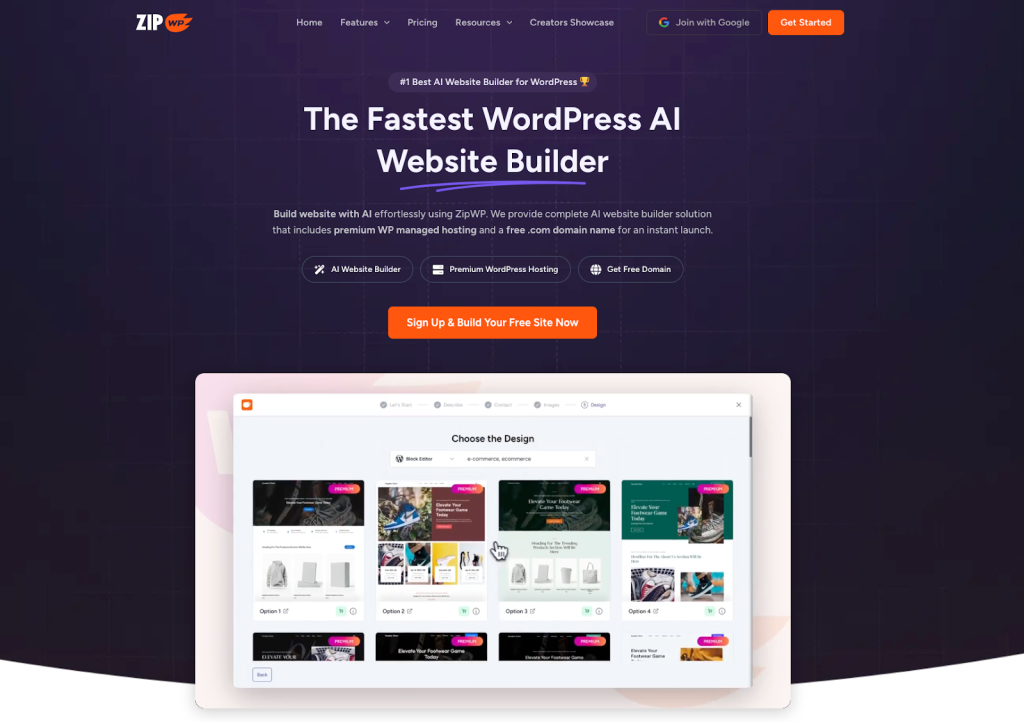
Modern AI-assisted builders like ZipWP remove the early friction without removing ownership.
Instead of a blank screen, you begin with:
- Managed WordPress hosting for real estate
- A secure WordPress site with SSL and basic security configured
- Astra theme as the lightweight performance base we typically recommend for speed and flexibility
- Spectra as a drag and drop page builder we often use for design flexibility
- Core WordPress SEO plugins preinstalled
- Structured real estate site templates designed for lead generation
- Professionally structured AI-written copy tailored to your niche and market
This means your responsive real estate website is not just designed to look good. It is structured for performance, mobile friendly browsing, and long term scalability from day one.
You are not locked into a closed platform. You are starting with a properly configured WordPress real estate website.
Add Your Listing Engine
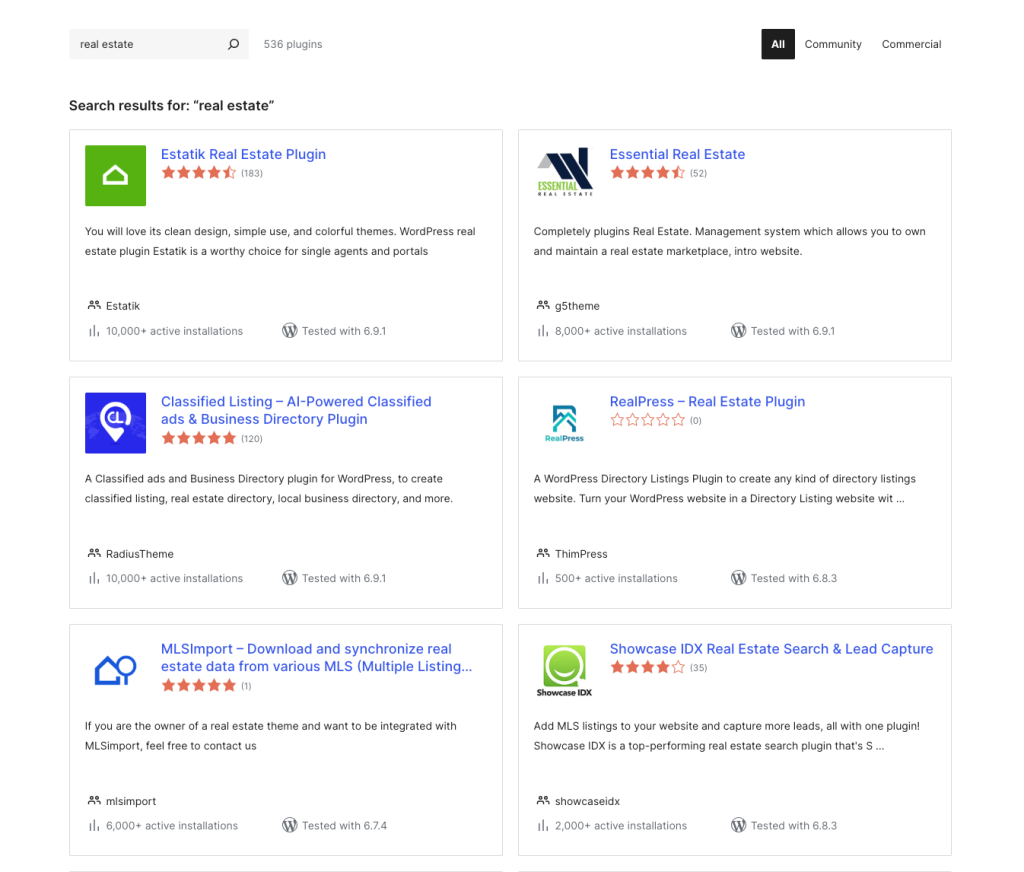
Once the foundation is ready, the next layer is IDX integration.
Depending on your market and goals, you can connect a WordPress IDX plugin such as:
The key is choosing a solution that supports organic or API-based integration when possible.
That ensures your property listings become indexable property detail pages, not just embedded search widgets.
At this stage, your site moves from brochure to real property search platform.
Customize Without Code
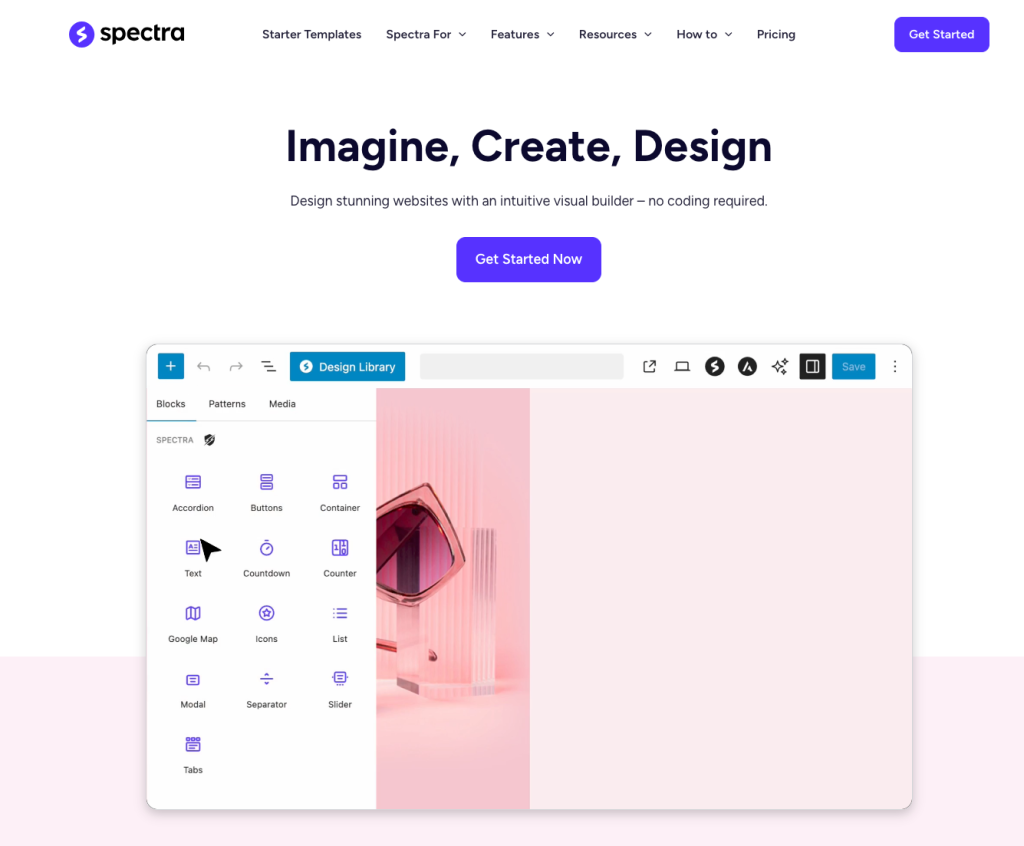
After listings are connected, you refine the experience.
Using Astra and Spectra together allows you to customize:
- Property search layouts
- Real estate landing pages
- Neighborhood guides
- Home valuation pages
- Buyer and seller funnels
You can design real estate property galleries, embed virtual home tours, and adjust advanced search filters without touching code.
Because the stack is performance first, you maintain strong WordPress site speed optimization even as your listing volume grows.
Strengthen Your Site With Essential Tools
Beyond listings and design, a high performing real estate website includes supporting systems.
Lead Capture and Forms
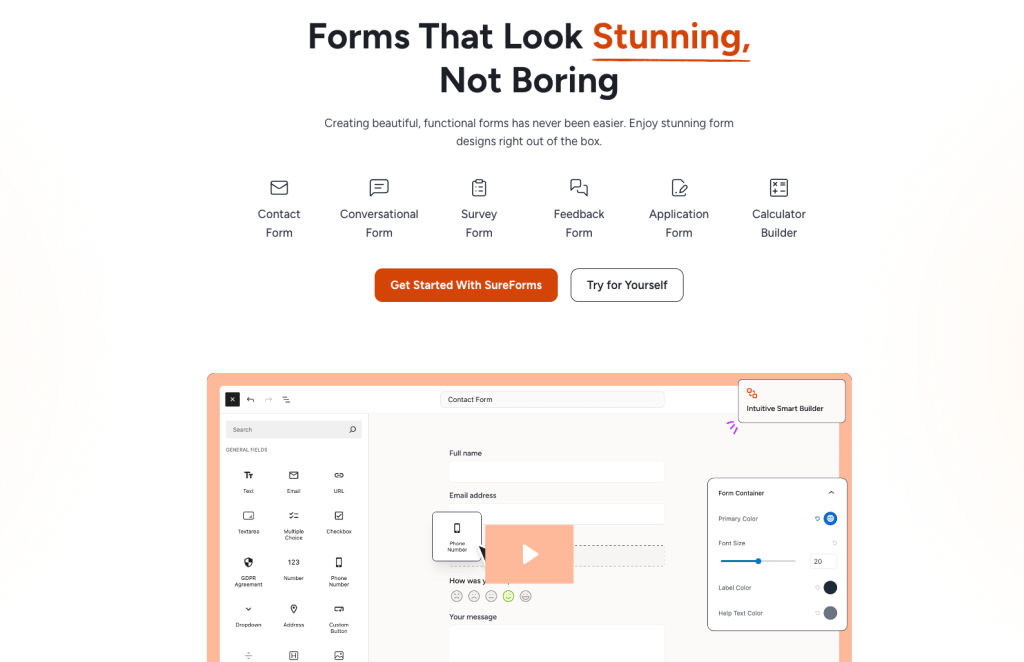
We typically use tools like SureForms to create real estate lead forms and listing submission forms. Capture both real estate buyer leads and real estate seller leads naturally throughout the site.
SEO and Local Optimization
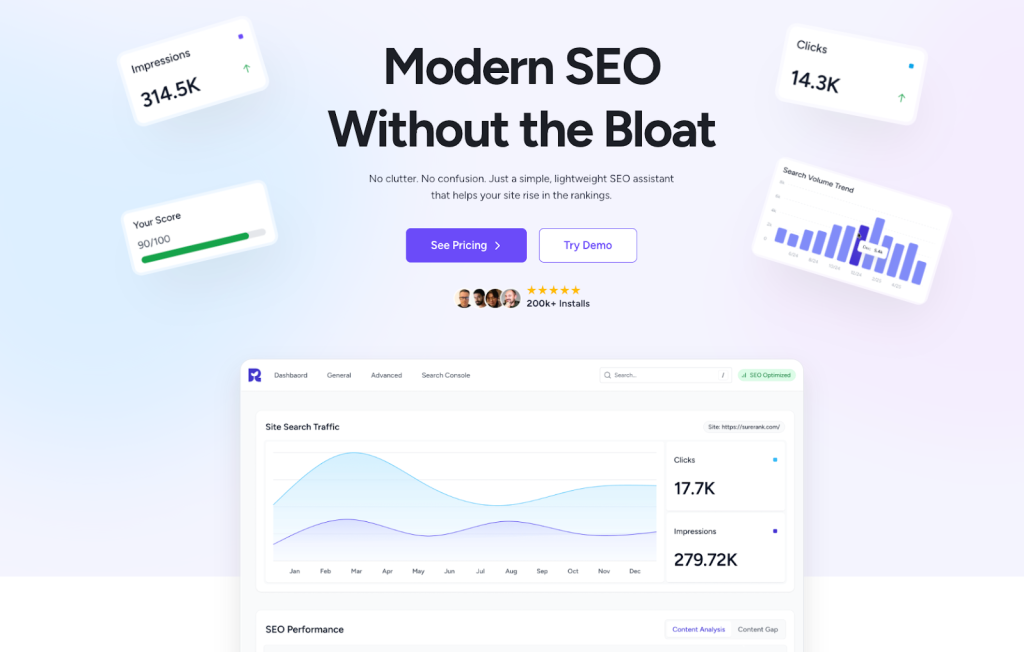
We often use SureRank and other WordPress SEO plugins such as Yoast SEO to structure schema markup for real estate, optimize metadata, and improve overall search performance.
Payments and Professional Services
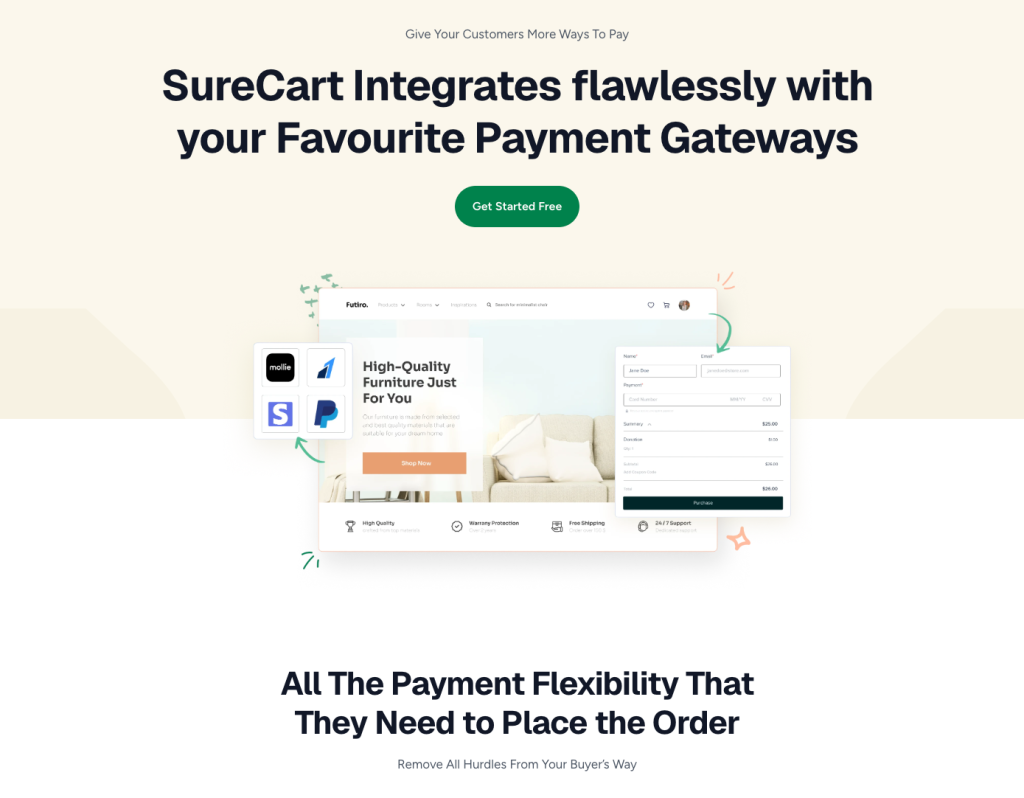
With SureCart, which we recommend for flexible payments, you can enable booking systems, paid consultations, membership access to premium market reports, or even deposits for private showings.
Video Marketing

We use Presto Player to embed virtual tours, floor plans, and property walkthroughs with optimized performance and built in call to action overlays.
Instead of juggling disconnected tools, you build an ecosystem where property search, lead generation, content, and monetization work together.
Traditional Build vs Modern Stack
You can still build everything manually. Purchase hosting. Install themes. Compare WordPress real estate themes with IDX support. Test real estate templates. Configure every plugin one by one.
Here’s the difference:
| Traditional Manual Build | Modern WordPress Stack |
| Choose and configure hosting separately | Managed hosting preconfigured |
| Install and test multiple themes | Performance-ready Astra foundation |
| Compare and install plugins individually | Essential plugins preinstalled |
| Write all content from scratch | AI-structured professional copy included |
| Longer setup timeline | Faster launch with full ownership |
We’ve found that a modern WordPress approach preserves ownership while reducing setup time. This allows you to focus more on strategy, content, and marketing execution.
For many agents and brokers, this is where WordPress moves beyond being just a website builder and becomes core business infrastructure.
Building fast is important. Building to scale is essential.
Performance and Scale: Built for 5,000+ Listings
When your WordPress real estate website grows beyond a few hundred MLS listings, infrastructure becomes decisive.
At scale, you need three things.
1. Infrastructure That Can Handle IDX Volume
- Managed WordPress hosting for real estate
- Strong database performance for dynamic property search
- Adequate PHP memory and server resources
- Automatic backups and security monitoring
Cheap shared hosting limits property search speed and weakens real estate website SEO.
2. Performance Optimization That Protects Rankings
- Page caching and object caching
- CDN for property gallery images
- Image compression and modern formats
- Lightweight theme architecture
When listings are stored as custom post types and structured correctly, your real estate sitemap and schema markup remain clean and crawlable.
3. Lean Architecture for Long-Term Growth
- Performance-first theme like Astra
- Focused drag and drop page builder
- Controlled plugin stack
Scaling is not about stacking tools. It is about protecting speed as inventory grows.
In our experience, site speed supports search visibility, and structured systems help turn traffic into measurable results.
From Traffic to Transactions: Automation and CRM

Property listings bring visitors. Automation turns them into revenue.
A high-performing real estate website must connect search behavior to structured follow-up.
1. Capture and Route Leads Automatically
- Sync forms with your CRM
- Tag real estate buyer leads by search behavior
- Segment real estate seller leads from valuation pages
- Assign leads inside your brokerage
No manual exports. No lost inquiries.
2. Automate the First 14 Days
- Instant confirmation emails
- Similar property suggestions
- Virtual tour reminders
- Market update sequences
Early consistency increases real estate lead generation conversion.
3. Maintain Platform Independence
- Keep CRM separate from your website
- Avoid bundled SaaS lock-in
- Retain full data ownership
Automation transforms your WordPress real estate website into operational infrastructure.
Final Thoughts: Own Your Real Estate Website, Own Your Growth
Every real estate agent eventually faces the same decision. Keep renting visibility inside a closed platform, or build something you fully control.
With a real estate website builder WordPress approach, you are not just launching pages. You are building infrastructure. Your MLS listings become indexable assets. Your property detail pages strengthen real estate website SEO.
Your neighborhood guides build authority in your local market. Your lead generation systems connect directly to your CRM and automation workflows.
Instead of depending on bundled tools, you control your hosting, IDX integration, performance, and monetization.
With a modern, AI-assisted setup and performance-first architecture, launching no longer requires months of technical work.
Over time, ownership can strengthen visibility and create more room to scale.
We believe WordPress can power a serious real estate website when configured properly.
The real question is whether you want full control over that foundation.
Before you move forward, here are answers to the most common questions agents ask.
FAQs
Join 931,900 Subscribers
Disclosure: This blog may contain affiliate links. If you make a purchase through one of these links, we may receive a small commission. Rest assured that we only recommend products that we have personally used and believe will add value to our readers. Thanks for your support!